Sri Lanka has recorded over 500 different species of birds, with 35 of these unique to the island and another 80 having developed as sub-species. Of these, a considerable number of migratory species winter in the country to escape their northern breeding grounds. Of the birds you are highly likely to see during your visit to us at 180, here are the top twenty you are most likely to encounter nearly every day.
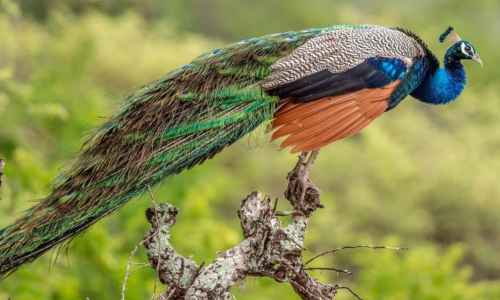
Peacock
The Peacock males need no introduction, and at 180 can be seen flying up to the trees to the front of
the estate during the evening to roost.
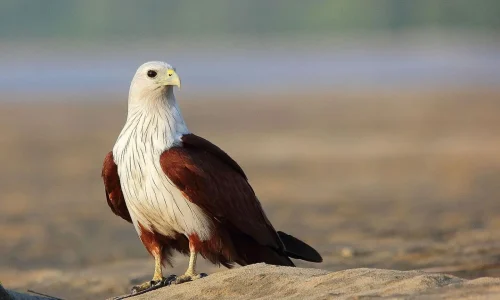
Brahminy Kite
This distinctive, white headed, orange raptor can often be seen in the valley below hunting amongst
the paddy fields.
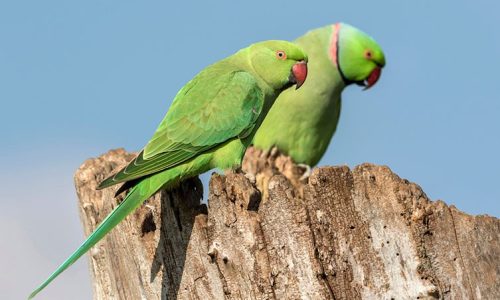
Ring Necked Parakeet
These rather noisy birds fly very fast and direct calling to each other as they go.
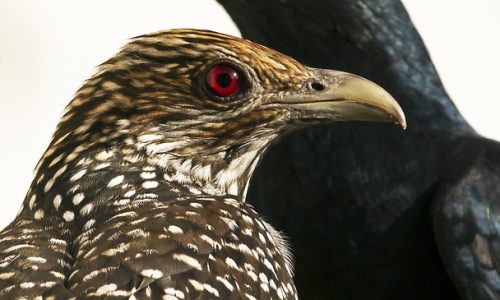
Koel
Seen rather than heard, the male and female are markedly different. These are the birds that make
the ascending “Ooop ooop ooop ooop” call in the early mornings.
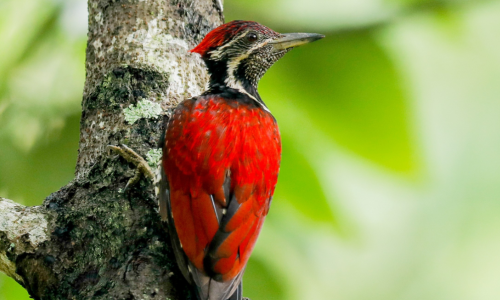
Flameback
The Flameback, or Red-Backed Woodpecker loves to search for insects on trees and nests in holes
and crevices especially in coconut palms.
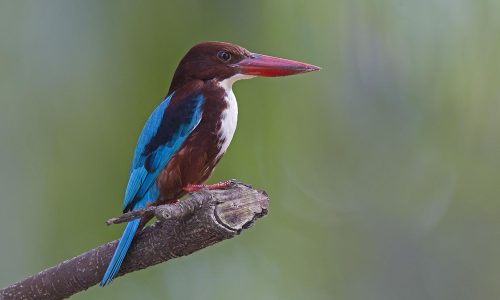
White Breasted Kingfisher
Another unmistakable bird often seen perching on branches or telephone lines.
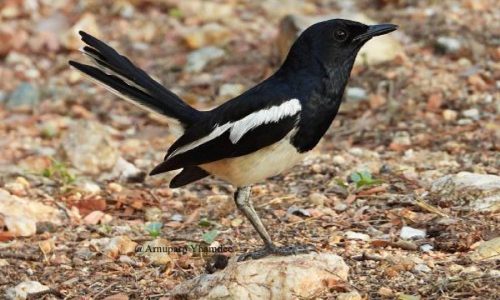
Magpie Robin
A lovely bird (the female is grey) with a beautiful evening song.
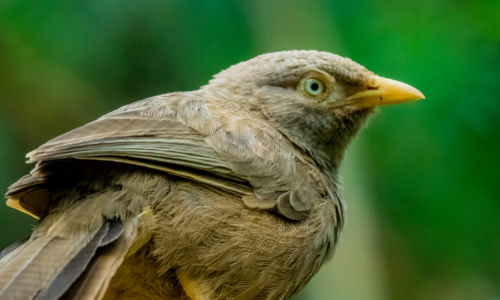
Yellow Billed Babbler
If you hear a flurry of tweets and whistles all together it is likely to be a group of these vociferous birds also known as the ‘Seven Sisters’ as they gossip and scold one another in the garden.
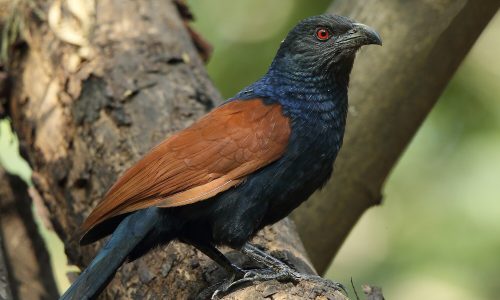
Coucal
Also known as a ‘Crow-Pheasant’ the Coucal is a large black and rufous bird but rarely seen – they
prefer sculking in the backs of hedges and trees.
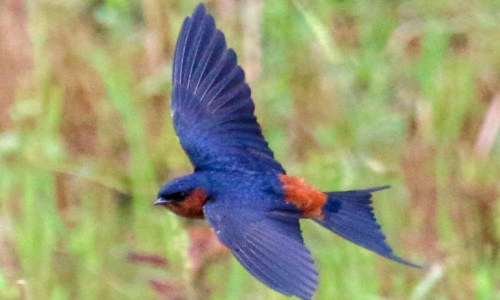
Sri Lankan Swallow
Only found in Sri Lanka, note the blue and orange colouring as they fly fast catching their daily diet of
small insects. They also nest on the 180 estate.
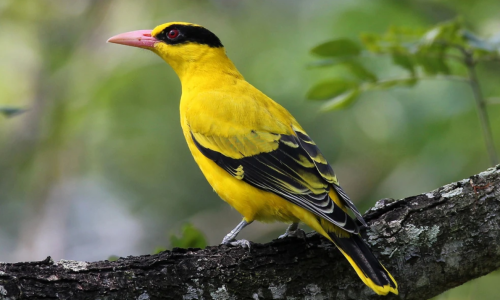
Black Naped Oriole
Another distinctive, bright yellow bird with a equally distinctive, explosive whistling call.
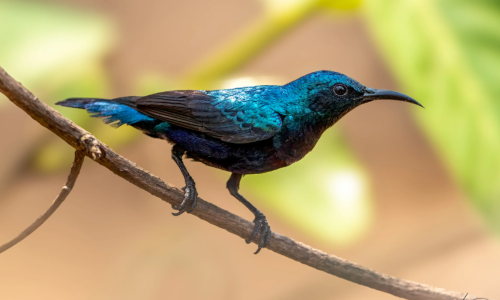
Purple Sunbird
These are Sri Lankan versions of Hummingbirds. The male is so dark purple he can look almost black,
while the female is a buff green and yellow. They also nest at 180.
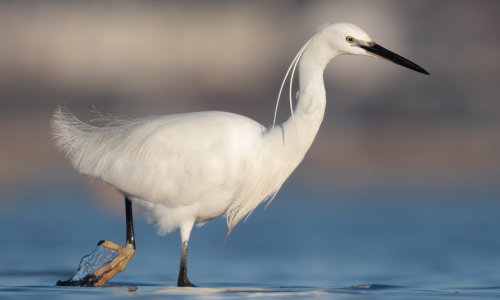
Little Egret
You’ll see these in the Paddy Fields below, along with their cousins the Cattle Egret and Great Egret.
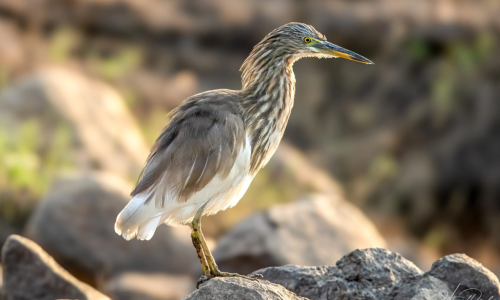
Pond Heron
Another Paddy Field bird, they feast on small frogs, snails and other invertebrates.
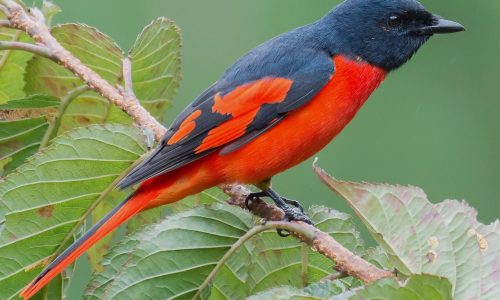
Scarlet Minivet
The male is bright red, the female yellow. These also nest at 180.
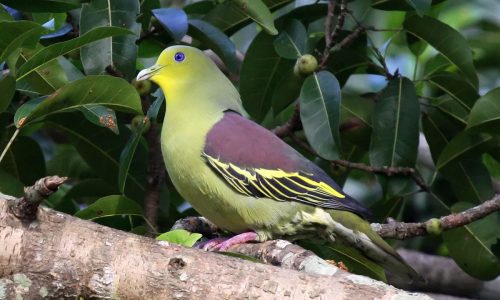
Green Pigeon
This rather handsome bird can often be seen flying around the estate and also nest in the woods
across the valley.
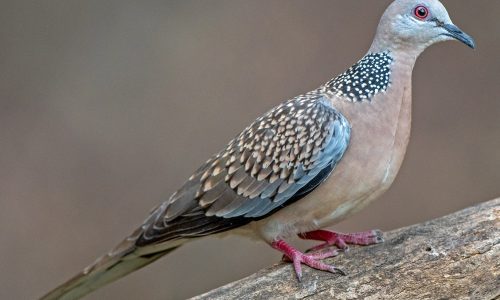
Spotted Dove
Their gentle cooing is a symbol of love in Sri Lanka!
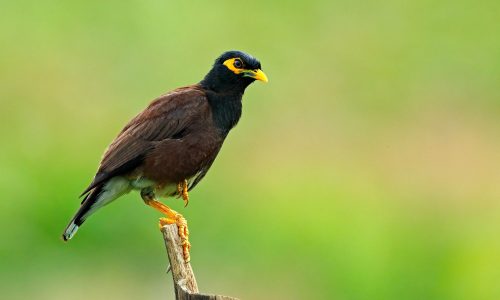
Mynah
These birds are great mimics and can even learn to make calls resembling mobile phones and tuk-tuk engines!
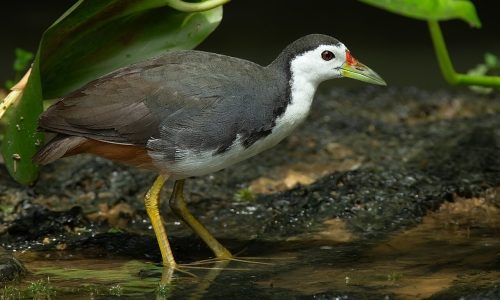
White Breasted Waterhen
These birds also nest at 180 and can often be seen in the Paddy Fields as well as sometimes checking
out the swimming pool!
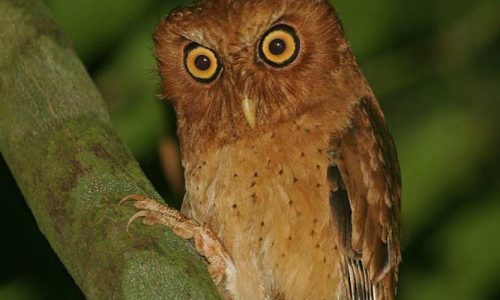
Scops Owl
If you hear small tweets and whistles at night, it’s our Scops Owls. If you’re lucky you might also see them flying fast across the garden as they go hunting in the evening.